
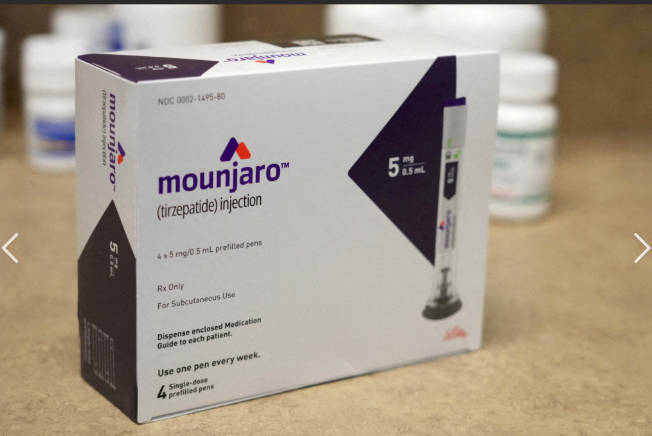
Understanding Weight Loss Injections: GLP-1 Agonists and Lipotropics
Weight loss injections are prescription medical interventions that, when combined with structured nutritional changes and physical exercise, can significantly assist in chronic weight management and treating obesity. These pharmacotherapies primarily fall into two distinct categories: hormonal receptor agonists (GLP-1 therapies) and lipotropic metabolic compounds.
1. GLP-1 Receptor Agonists (Appetite & Glycaemic Control)
GLP-1 receptor agonists are widely recognized as highly effective medical treatments for chronic weight management. They function by mimicking naturally occurring incretin gut hormones, delaying gastric emptying, reducing appetite signals in the brain, and supporting blood glucose regulation.
| Brand Name | Active Ingredient | Primary Mechanism | Administration Frequency |
|---|---|---|---|
| Ozempic | Semaglutide | Delays gastric emptying, reduces appetite, and improves insulin secretion. | Weekly subcutaneous injection |
| Wegovy | Semaglutide (Higher dosage) | Higher-dose formulation specifically indicated for chronic weight management and obesity. | Weekly subcutaneous injection |
| Saxenda | Liraglutide | Enhances satiety signals and promotes prolonged feelings of fullness. | Daily subcutaneous injection |
| Mounjaro / Zepbound | Tirzepatide | Dual GLP-1 and GIP receptor agonist, providing combined appetite suppression and metabolic control. | Weekly subcutaneous injection |
2. Lipotropic Injections (Metabolic Boosters)
Lipotropic injections consist of specific amino acids, vitamins, and minerals intended to support hepatic fat metabolism and cellular energy production.
| Active Components | Intended Metabolic Function |
|---|---|
| Methionine, Inositol, Choline (MIC) | Assists in breakdown of dietary fats and supports liver function. |
| Vitamin B12 (Cyanocobalamin / Methylcobalamin) | Supports cellular energy metabolism, neural function, and mood stability. |
| L-Carnitine | Facilitates fatty acid transport into mitochondria for energy conversion. |
Possible Side Effects & Clinical Considerations
GLP-1 Injections (Semaglutide, Liraglutide, Tirzepatide)
| Common Gastrointestinal Effects | Less Common & Serious Risks |
|---|---|
| Mild to moderate nausea or vomiting | Gallbladder disease or biliary colic |
| Constipation or diarrhea | Acute pancreatitis (rare but serious) |
| Abdominal bloating, reflux, or flatulence | Acute kidney injury secondary to severe dehydration |
| Transient headaches or generalized fatigue | Hypoglycaemia (primarily when combined with other antidiabetic agents) |
Lipotropic Injections
- Common: Mild injection site discomfort, localized erythema, or transient mild headaches.
- Less Common: Allergic reactions to active ingredients, or localized muscle soreness.
How to Minimize Side Effects
- Gradual Dose Titration: Initiate therapy at the lowest prescribed starting dose and increase gradually under medical supervision to allow the gastrointestinal tract to adapt.
- Maintain Adequate Hydration: Consume 2 to 3 liters of water daily to maintain renal hydration and reduce constipation risks.
- Adopt Nutritional Adjustments: Eat smaller, balanced meals, chew thoroughly, avoid heavy, high-fat, or ultra-processed foods, and prioritize lean proteins alongside fibrous vegetables.
- Limit Alcohol Consumption: Alcohol can exacerbate gastrointestinal side effects, cause blood sugar fluctuations, and increase the risk of gastric irritation during treatment.
Considering Medical Weight Loss Treatments?
Consult with Dr. Shireen Surtee at doctorinyourpocket.co.za for a comprehensive medical evaluation, clinical suitability assessment, and prescription guidance tailored to your health goals.
Comments are closed